
CANSA Research Day 2026: Advancing Cancer Research for a Cancer-Free South Africa
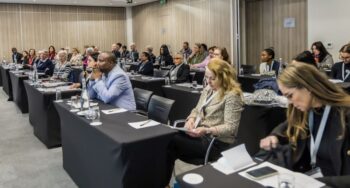
Delegates from across South Africa gather at CANSA Research Day 2026 in Cape Town to share research, foster collaboration and advance cancer outcomes.
Read the media release here…
On 11 August 2026, CANSA hosted its inaugural Research Day in Cape Town, bringing together 58 delegates from across South Africa, including researchers, clinicians, students, healthcare professionals, policymakers and cancer advocates. Under the theme “Advancing Cancer Research for a Cancer-Free South Africa,” Research Day provided a platform for knowledge exchange, collaboration and discussion on how research can be translated into improved cancer outcomes.
 The programme showcased a diverse range of research spanning cancer prevention, early detection, diagnosis, treatment, survivorship, health systems strengthening and public awareness. It also highlighted the critical role of partnerships between researchers, healthcare providers, communities, government and civil society in addressing South Africa’s growing cancer burden.
Research Addressing South Africa’s Cancer Burden
Research presented during the day reflected the breadth and diversity of cancer research currently underway in South Africa. Presentations explored breast cancer outcomes, hereditary cancer services, cancer genomics, cervical cancer research, pancreatic cancer, colorectal cancer, lymphoma, treatment adherence, cancer awareness initiatives and health systems research. Collectively, these studies highlighted the importance of generating locally relevant evidence to inform cancer prevention and care in South African populations.
The programme demonstrated how cancer research is increasingly moving beyond understanding disease alone to address broader healthcare challenges, including improving access to services, strengthening healthcare systems and finding practical solutions that can improve patient outcomes. The research presented reinforced the value of collaboration across disciplines and institutions in generating evidence that can inform policy, practice and future research priorities.
Understanding Breast Cancer Outcomes
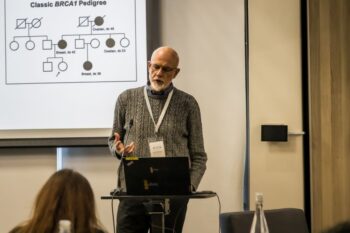
A/Prof Michael Urban presents findings from his study on genetic counselling and cascade testing for hereditary breast cancer in South Africa.
Several presentations focused on improving understanding of breast cancer outcomes and risk factors in South Africa. Research explored factors influencing outcomes, hereditary cancer services, genetic risk and treatment monitoring, highlighting the importance of evidence-based approaches to improving prevention, early detection and patient care. These studies reinforced the need to address not only biological aspects of cancer but also the social, economic and healthcare system factors that influence patient outcomes.
The findings highlighted the importance of improving cancer awareness, promoting earlier diagnosis and ensuring equitable access to high-quality cancer care. They also demonstrated how research can contribute to more personalised approaches to prevention, diagnosis and treatment by improving understanding of cancer risk and disease progression within South African populations.
Innovation in Cancer Diagnosis and Treatment
The programme featured research investigating innovative approaches to cancer diagnosis and treatment. Presentations examined pancreatic cancer, cervical cancer, breast cancer and lymphoma, highlighting ongoing efforts to improve understanding of disease biology, treatment response and opportunities for advancing personalised cancer care.
Researchers shared insights into emerging areas of cancer science and explored how advances in molecular research, biomarker development and treatment monitoring may contribute to improved patient outcomes in the future. These studies demonstrated the continued importance of innovation in strengthening cancer diagnosis, treatment and survivorship care.
Putting Patients at the Centre of Care
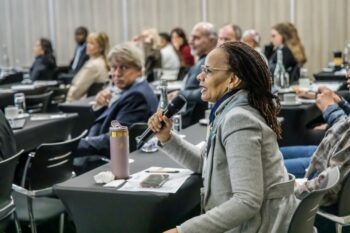
Prof Hannah Sebitloane-Habile, CANSA Board and RESCOM Member, poses a question during the discussion session at CANSA Research Day 2026.
Research presented during the day highlighted the experiences of cancer patients as they navigate the healthcare system. Studies explored patient pathways through diagnosis, treatment and follow-up care, identifying barriers and opportunities to improve healthcare delivery and patient experiences.
The findings demonstrated the value of patient-centred research in informing more responsive and equitable cancer care. By understanding the challenges faced by patients and caregivers, researchers are helping to identify practical solutions that can improve access to care, support treatment adherence and strengthen healthcare services across the cancer continuum.
Strengthening Early Detection and Screening
Several presentations focused on early detection as a critical strategy for improving cancer outcomes. Research on colorectal cancer highlighted important gaps in knowledge regarding disease patterns, risk factors and early diagnosis in South Africa. Ongoing studies are contributing to a greater understanding of colorectal cancer while also helping to strengthen national research capacity and reporting systems.
Additional research explored healthcare workers’ perspectives on colorectal cancer screening and identified opportunities and challenges associated with implementing screening approaches within the South African health system. Discussions highlighted issues relating to awareness, workforce readiness, referral systems, laboratory infrastructure and policy development. Together, these studies reinforced the importance of strengthening early detection and screening initiatives to improve outcomes.
Supporting Cancer Prevention and Public Awareness
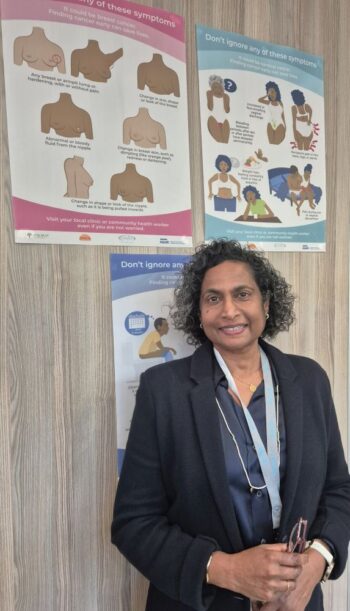
Prof Jennifer Moodley showcases cancer awareness toolkits developed to support early detection and public education across Southern Africa.
Research Day also highlighted initiatives focused on improving public awareness of cancer and encouraging earlier help-seeking behaviour. Presentations described collaborative programmes that bring together researchers, healthcare providers, communities and non-governmental organisations to support cancer awareness and early diagnosis efforts across Southern Africa.
The programme also highlighted the development of cancer awareness toolkits for healthcare providers and communities. These resources are designed to support improved recognition of cancer symptoms, strengthen awareness of risk factors and promote timely access to healthcare services. These initiatives emphasise the importance of community engagement, collaboration and culturally appropriate communication in strengthening cancer prevention and awareness.
Discussions throughout the day reinforced the important role of public awareness in helping people recognise symptoms, access healthcare services and participate in cancer prevention and screening programmes.
Strengthening the Cancer Research Environment
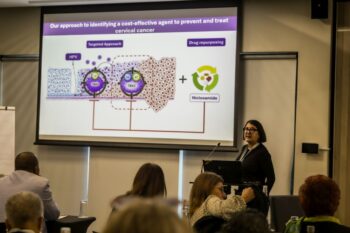
Prof Sharon Prince, recipient of the 2025 A.G. Oettlé Memorial Award, delivers the keynote address: From Host Biology to Therapeutic Opportunity in Cervical Cancer.
In addition to scientific research findings, the programme explored the broader environment required to sustain and strengthen cancer research in South Africa. Discussions highlighted the importance of research funding, ethics oversight, regulatory systems and strong governance structures in supporting high-quality research. Participants also considered challenges facing the research sector, including increasing competition for funding, workforce shortages, infrastructure requirements and the complexity of contemporary clinical research environments.
Emphasis was placed on the need to strengthen South Africa’s cancer research workforce and support the next generation of cancer researchers, clinician-scientists and research leaders. The strong participation of postgraduate students and emerging researchers at Research Day demonstrated the importance of continued investment in research capacity development and future research leadership.
Supporting Emerging Researchers and Research Capacity
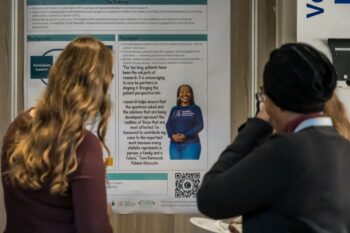
Research Day also provided an important platform for postgraduate students and emerging researchers to showcase their work through poster and oral presentations and engagement with delegates from across the cancer research community. The participation of postgraduate students and early-career researchers reflected the importance of nurturing the next generation of cancer scientists, clinician-researchers and research leaders.
From Innovation to Impact: Translating Research into Practice
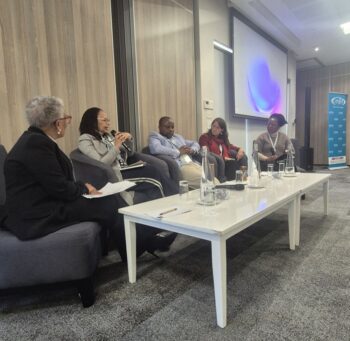
Panellists discuss how cancer research can be translated into policy, clinical practice and improved patient outcomes. From left: Ms Zodwa Sithole, Prof Hannah Sebitloane-Habile, Dr Richard Khanyile, Prof Adrienne Edkins and moderator Dr Brenda Kubheka-Chauke.
A highlight of the programme was the panel discussion, “From Innovation to Impact: Translating Cancer Research into Practice.” The discussion brought together perspectives from research, healthcare and cancer control to explore how scientific evidence can be translated into improvements in policy, clinical practice, public awareness and patient care.
Panellists reflected on the opportunities and challenges involved in moving research beyond academic settings to achieve measurable impact for patients and communities. Key themes included the importance of strengthening partnerships between researchers, healthcare providers, policymakers, non-governmental organisations and communities, as well as ensuring that research priorities remain responsive to South Africa’s healthcare needs. The discussion reinforced several messages that emerged throughout the day:
- The importance of earlier diagnosis and timely access to care.
- The need for patient-centred healthcare systems that address barriers experienced by patients and caregivers.
- The value of evidence-informed policy and programme development.
- The importance of investment in research capacity, workforce development and future research leaders.
- The critical role of collaboration in ensuring that research findings lead to meaningful improvements in prevention, diagnosis, treatment, survivorship and quality of life.
The panel discussion underscored CANSA’s commitment to supporting research that not only advances scientific knowledge but also contributes to real-world improvements in cancer control and patient outcomes across South Africa.
Looking Ahead
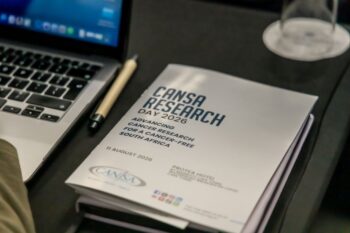 CANSA Research Day 2026 demonstrated the strength, diversity and impact of cancer research in South Africa. The programme showcased innovative research, highlighted emerging talent and reinforced the importance of collaboration in addressing the country’s cancer burden.
The event also created valuable opportunities for networking, mentorship and knowledge exchange among established and emerging researchers. By bringing together diverse stakeholders from across the cancer research ecosystem, Research Day strengthened connections that will help shape future collaborations and research initiatives.
CANSA extends its sincere thanks to all presenters, delegates, researchers, students, donors, the CANSA Board, the Research Committee (RESCOM), partners and supporters who contributed to the success of the event.
Through research, innovation, collaboration and a shared commitment to improving cancer outcomes, CANSA and its partners continue to move closer to achieving a Cancer-Free South Africa.


